Subscribe

Space resources 101

The physics and chemistry first. What is actually up there, how you get it out, and what has already been demonstrated.

Start here: ISRU basics: why living off the land is the whole business
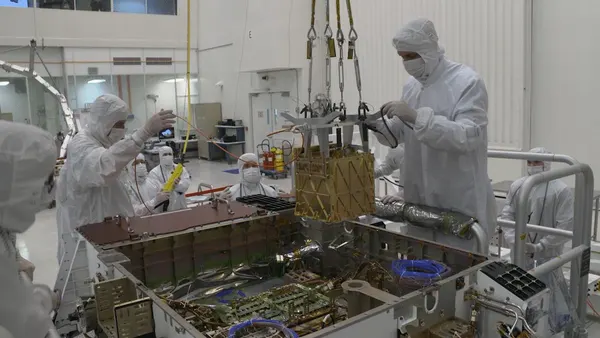
  1. Engineers lower the MOXIE instrument into the chassis of NASA's Perseverance rover
    ISRU basics: why living off the land is the whole business
    In-situ resource utilization, explained from the mass budget up. Start here if you read nothing else.
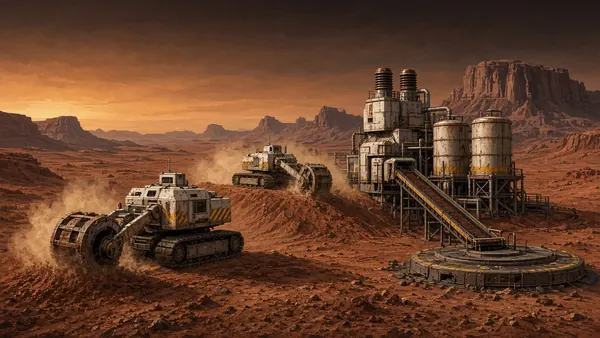
  2. Concept illustration of robotic excavators and a processing plant mining regolith on Mars
    How mining on the Moon and Mars would actually work
    Find it, dig it, cook it, use it. The chemistry has been demonstrated. Prospecting is the bottleneck.
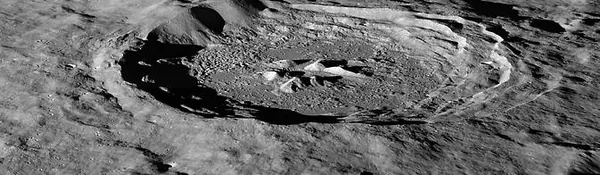
  3. Lunar Reconnaissance Orbiter view of a crater near the Moon pole
    Lunar water ice, explained
    Where the Moon's ice is, how we know it's there, and the one unknown that decides whether it's worth mining.
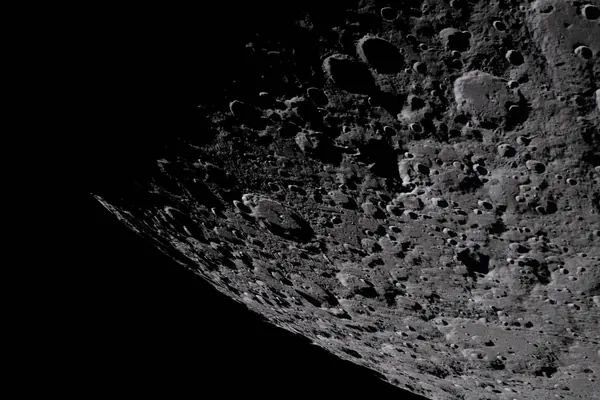
  4. The Moon photographed from the Orion spacecraft during Artemis II
    Lunar regolith: the most common resource on the Moon is the dirt
    What Moon soil is made of, why it's mostly oxygen by weight, and what makes it miserable to handle.
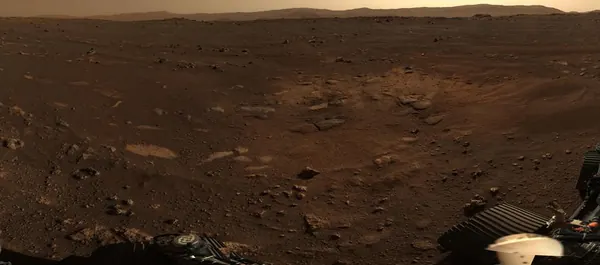
  5. Jezero Crater on Mars seen from orbit
    Mars regolith chemistry: perchlorate, ice and the toxic-soil problem
    Martian soil is chemically more interesting than the Moon's and also more hostile. Here's what the landers found.
  6. MOXIE instrument being lowered into Perseverance
    What MOXIE actually proved, and what it didn't
    122 grams of oxygen on Mars, read carefully. The scale-up gap from a toaster-sized demo to a propellant plant.

Other reading paths