
Lunar regolith: the most common resource on the Moon is the dirt
What Moon soil is made of, why it's mostly oxygen by weight, and what makes it miserable to handle.
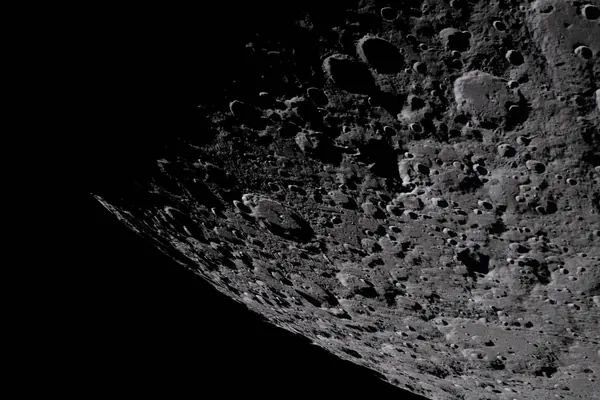
Regolith is the layer of loose, broken rock and dust covering the Moon, produced by billions of years of meteorite impacts with no wind or water to round anything off. It’s the one lunar resource you never have to prospect for. You land on it.
By mass it is mostly oxygen. Returned Apollo and Luna samples carry roughly 45 percent oxygen by weight, locked into silicate and oxide minerals, a figure that turns up in NASA’s lunar ISRU strategy and in the JSC curation office’s notes on oxygen extraction. Silicon, iron, aluminum, calcium, magnesium and titanium make up most of the rest, in proportions that change between the dark mare basalts and the bright highlands.
Getting the oxygen out is chemistry, and the chemistry is hot. The processes studied for decades include reducing iron-rich minerals with hydrogen, carbothermal reduction at higher temperatures, and molten regolith electrolysis, which melts the soil and pulls oxygen off with an electric current. Each trades power against yield. All of them need a lot of energy per kilogram, which on the Moon means solar arrays sized for a two-week night or a fission reactor.
Then there are the trace guests. Solar wind has been implanting hydrogen, helium and other light elements into the top layers of grains for a very long time, which is the basis of every lunar helium-3 pitch. Interlune’s Prospect Moon payload is built around this: it will heat one scoop to 950 °C, mill another mechanically, and sort a third by grain size, measuring released gases with a mass spectrometer.
Why handling it hurts
Lunar dust is sharp. With no weathering, grains stay angular and glassy, and they charge electrostatically and cling to everything. Apollo crews tracked it into the cabin. For a mining operation that has to move tonnes a day, that means abrasion in every bearing and seal. Earth mining’s least glamorous problem, wear parts, becomes the dominant maintenance cost on the Moon.
Our view is that regolith oxygen will matter more than polar ice in the long run, because it’s available everywhere and isn’t confined to a handful of dark craters that every agency wants to land beside. Ice wins the first decade on ease. Dirt wins on scale.
What would change our mind: ground-truth measurements showing polar ice is thick, shallow and widespread, which would make the power cost of cooking rock hard to justify.
Not affiliated with NASA, SpaceX or any agency or company mentioned. Not investment advice. Disclaimer.