
Chang'e-7's slip to 2027 hands the south pole a quiet year
China's ice-hunting lander, with a hopper built to enter shadowed craters, missed its August window. What the delay means for the race to measure lunar ice.
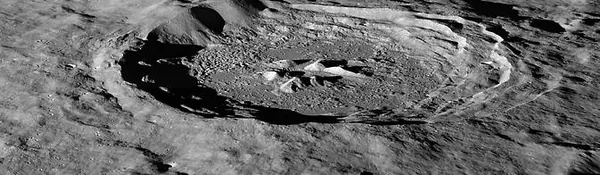
China called off the Aug. 24 launch of Chang’e-7 from Wenchang a day beforehand, and Scientific American reports the mission is now on hold until at least 2027, with weather tied to Typhoon Narra likely a factor. We haven’t seen a new launch date since, so it’s worth tallying what the slip costs.
Chang’e-7 was designed to search for ice near Shackleton crater, the roughly 21-kilometer pit beside the south pole, using an orbiter, lander, rover and a hopping probe meant to jump into permanently shadowed ground. That hopper is the point. Orbiters and impactors told us ice is there. Nobody has yet put an instrument on the floor of a shadowed crater and measured how much, how deep and how mixed with soil. The lunar ice explainer lays out why that one unknown decides the economics.
The delay doesn’t hand anyone else a lead, because we know of no other in-crater ice measurement firmly scheduled for 2027. NASA’s Moon Base rover program lists prospecting among its jobs, and commercial payloads like Interlune’s are aimed at 2028. What the slip buys everyone is time, and it costs the field a year of data.
It also matters for the geopolitics we cover in the rules-of-the-road series. Under the Artemis Accords’ safety-zone logic, the first operator at a site has the strongest claim to coordinate around it. China isn’t a signatory, but the norm of first-come presence works regardless of paperwork.
Our view: the first good measurement of ice inside a shadowed crater is the single most valuable data point in lunar resources, and it just got pushed back by at least a year.
What would change our mind: an announced 2027 launch date with the hopper intact. If the hopper is descoped to save schedule, the mission loses most of its resource value.
Mars Mining Co. is an independent news site. It is not affiliated with NASA, JAXA, ESA, SpaceX or any company mentioned. Nothing here is investment advice. Full disclaimer.