
Who owns what you mine in space? The law, in three documents
The 1967 Outer Space Treaty, the 2015 U.S. Commercial Space Launch Competitiveness Act and the Artemis Accords, read in order.
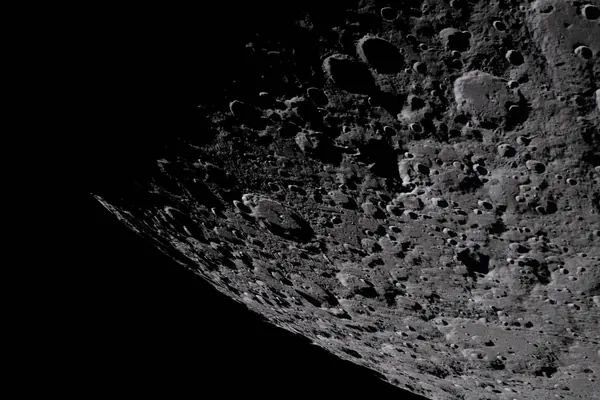
Article II of the 1967 Outer Space Treaty says outer space, including the Moon and other celestial bodies, is not subject to national appropriation by claim of sovereignty, by use or occupation, or by any other means. The UN Office for Outer Space Affairs hosts the text. For fifty years that sentence was read as “nobody owns the Moon,” and it still means that. What it doesn’t say is whether you can own the rock you scooped off it.
The United States answered that question for itself in 2015. Title IV of the U.S. Commercial Space Launch Competitiveness Act says a U.S. citizen engaged in commercial recovery of an asteroid or space resource is entitled to any resource obtained, including to possess, own, transport, use and sell it, consistent with U.S. international obligations. The law also states that the U.S. is not asserting sovereignty over any celestial body. Own the ore, not the mine.
The analogy most lawyers reach for is the high seas. No state owns the ocean, yet a fishing boat owns its catch once it’s on deck. Critics argue extraction at scale is a form of appropriation by use. Supporters answer that the treaty bans claims to territory, not to things removed from it.
Then the U.S. went multilateral. Section 10 of the Artemis Accords, launched in October 2020, has signatories “affirm that the extraction of space resources does not inherently constitute national appropriation under Article II.” Every country that signs is endorsing the 2015 U.S. reading of the treaty, without being bound by U.S. law. Our Accords explainer covers the rest of the document, including the safety-zone clause that matters most to miners.
What’s still unsettled
Nothing here gives anyone an exclusive right to a deposit. If two companies want the same shadowed crater, the treaty offers “due regard” and consultation, and the Accords add notification. There is no claims registry and no court with obvious jurisdiction. On Earth, mining finance runs on secure title to a resource in the ground. In space that title doesn’t exist, and lenders will price that.
Our view: the ownership-of-product question is settled enough for a startup to sell lunar helium-3 or water. The ownership-of-site question is not, and it will become the hard political problem the first time a polar landing site gets crowded.
What would change our mind: a binding multilateral agreement on resource-site priority, from the UN COPUOS process or elsewhere, that the major lunar powers actually sign.
Not affiliated with NASA, SpaceX or any agency or company mentioned. Not investment advice. Disclaimer.